
Kokufu-ten 100th Anniversary Bonsai Exhibition
 Posted on
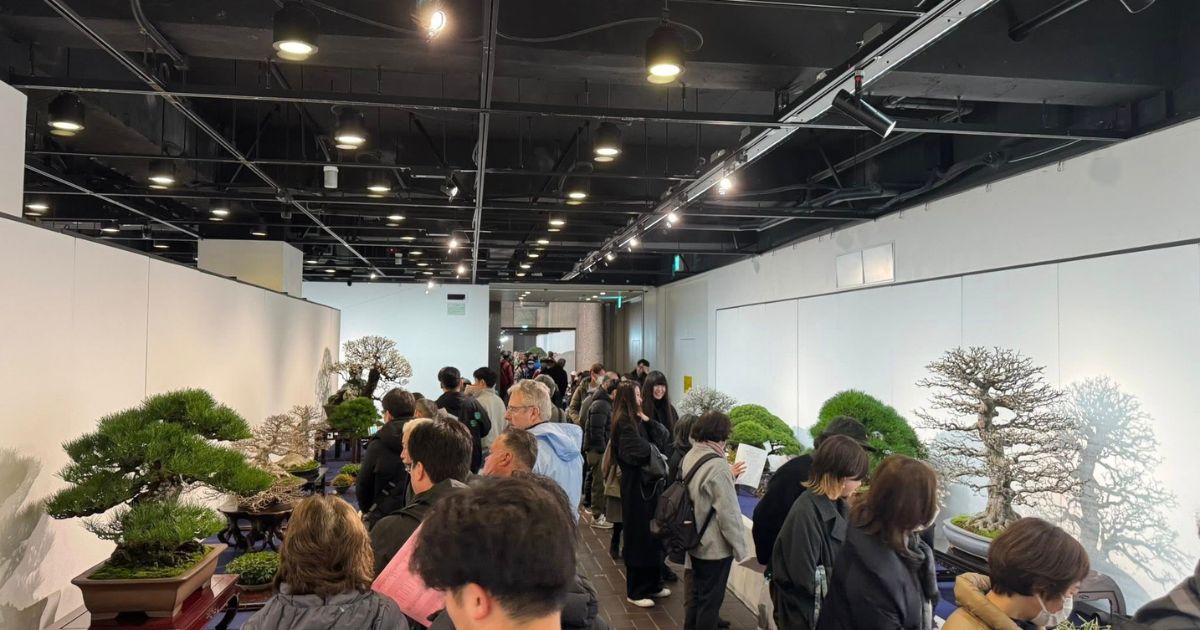
The 100th edition of the Kokufu-ten Bonsai Exhibition in 2026 stands as a monumental landmark in the history of botanical art, representing a full century of aesthetic evolution and cultural preservation.
Held within the sophisticated confines of the Tokyo Metropolitan Art Museum in Ueno Park, this centennial celebration serves as the definitive global stage for bonsai, often described by enthusiasts and historians as the “Olympics” of the discipline.
Since its inception in 1934 by the Nippon Bonsai Association, the exhibition has survived global upheavals and shifting social eras, yet it has never wavered from its core mission of showcasing the absolute pinnacle of Japanese refinement.
Reaching the hundredth show is more than just a numerical milestone; it is a testament to the intergenerational dedication of masters and apprentices who have spent decades—and sometimes centuries—shaping living wood into profound philosophical statements.
The prestige of Kokufu-ten 100 lies in its notoriously rigorous selection process, where the rejection rate is high even for seasoned professionals.
For this historic 2026 event, the judging panel has elevated the standards to an unprecedented level, ensuring that every tree granted a place on the display benches possesses a flawless silhouette and a deep sense of mochikomi, a term describing the character and dignity a tree acquires through years of container cultivation.
Visitors will witness a curated selection of Japan’s most famous specimens, including ancient Shimpaku Junipers with bleached, twisting deadwood that mimics the harsh conditions of high-altitude cliffs, and Japanese Black Pines that embody the rugged strength of the coastline.
These trees are not merely plants but are considered cultural treasures, many of which have been passed down through noble families or maintained by the Imperial Household.
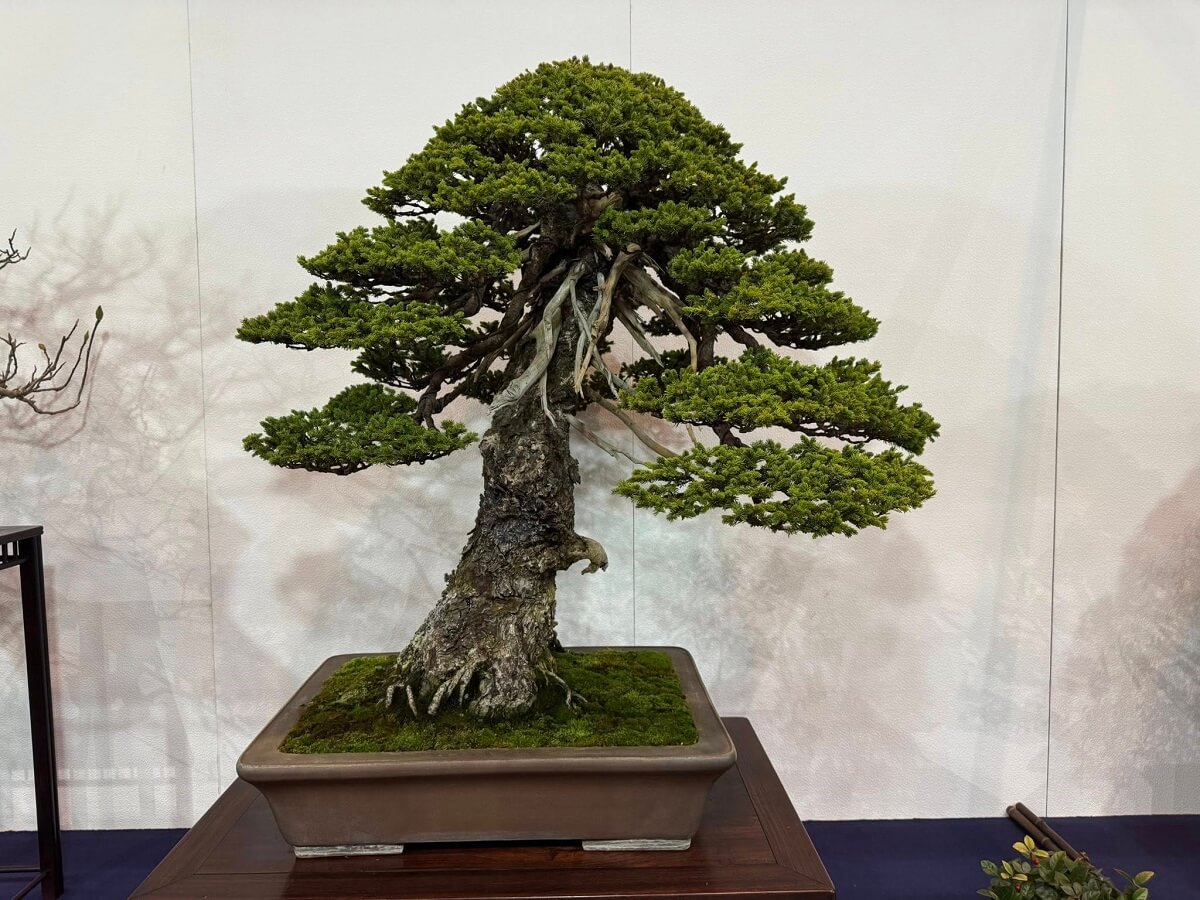
The exhibition layout itself is a masterclass in the Japanese concept of kazaridana, or the art of formal display.
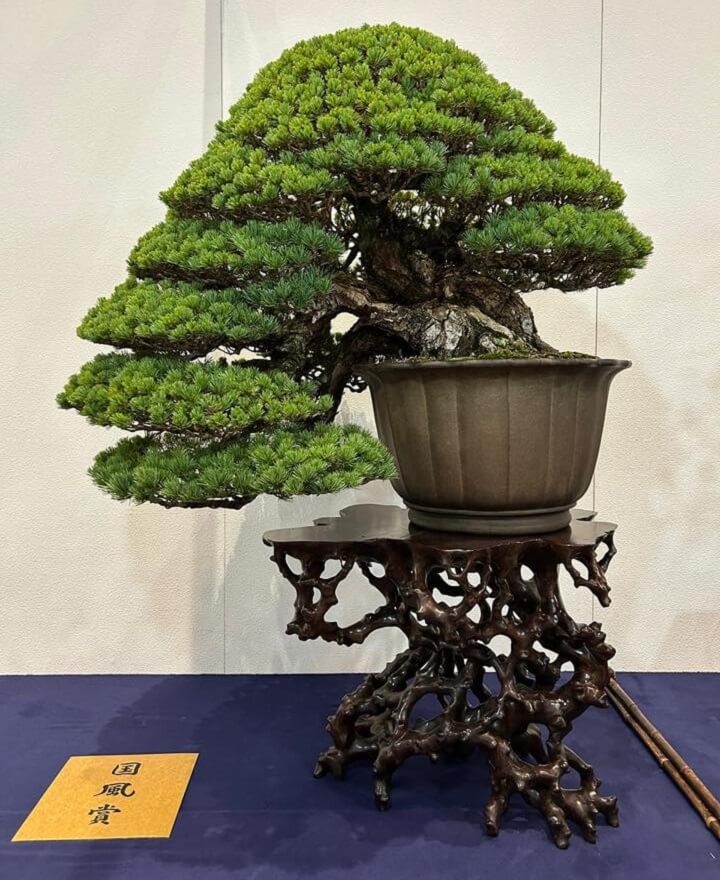
Each bonsai is presented as part of a carefully orchestrated composition, where the tree is paired with a specific handmade pot, an accent plant to suggest the season, and a hanging scroll that provides a thematic or poetic backdrop.
In the 100th Kokufu-ten anniversary show, the attention to these details is particularly acute, reflecting a century of refined display techniques that emphasize the harmony between the artificial and the natural.
The silent halls of the museum encourage a meditative pace, allowing viewers to appreciate the minute details of moss placement, the texture of the bark, and the delicate ramification of the winter branches, which are showcased in their barest, most honest form during this February event.
Beyond the aesthetic display, the Kokufu-ten 2026 centennial carries immense educational and commercial weight for the international community.
The event traditionally draws a global audience of collectors, curators, and artists who travel to Tokyo to observe the current trends that will dictate the future of the art form for the next decade.
Accompanying the main exhibition is the sprawling Green Market at Ueno Park, where the atmosphere shifts from the hushed reverence of the museum to the vibrant energy of a high-stakes trade fair.
Here, visitors can find rare antique containers, specialized tools forged by master blacksmiths, and “pre-bonsai” material that may one day grace the Kokufu-ten stage in the next century.
To commemorate this hundredth year Kokufu-ten, the Nippon Bonsai Association has focused on documenting the event through high-fidelity photography and scholarly publications that trace the lineage of the most famous trees.
This historical perspective is vital, as it highlights the reality that bonsai is an art form where the artist is rarely the one to see the finished masterpiece; instead, the 100th Kokufu-ten celebrates the collective stewardship of those who have kept these trees alive and thriving for a hundred years and beyond.
It is a celebration of patience and the slow, deliberate pace of nature in an increasingly fast-paced world, offering a profound reminder of the enduring beauty that arises from a lifetime of careful observation and quiet labor.
What to Expect at Kokufu-ten 100
The exhibition is traditionally split into two terms to ensure the trees remain healthy in the indoor environment.
The Display (Kazaridana)
Visitors will witness the concept of shizue (the composure of the tree). Each tree is paired with:
- Suiseki: Viewing stones that represent landscapes.
- Shakudo: Accent plants that suggest the season (grasses, ferns, or moss).
- Scrolls: Calligraphy or paintings that provide a thematic backdrop.
Featured Species
While the lineup changes, the 100th anniversary will undoubtedly feature “Imperial” level trees, including:
- Shimpaku Juniper: Known for its dramatic shari (deadwood) and jin.
- Japanese Black Pine (Kuromatsu): The “King of Bonsai,” symbolizing strength and longevity.
- Satsuki Azalea: If timing allows, these provide vibrant floral displays.
- Maple and Beech: Representing the delicate transition of seasons.
The 100th Anniversary Special Events
To celebrate a century of excellence, the 2026 event is expected to include:
- Commemorative Album
A high-quality photography book featuring every tree in the 100th show, often considered a “bible” for collectors. - International Symposium
Special lectures by world-renowned masters (Oyakata) explaining the evolution of bonsai styles over the last 100 years. - The Green Market
Located nearby at Ueno Park, this is a massive trade fair where collectors can buy everything from high-end ancient trees to handmade Tokoname pots and specialized tools.
Why the 100th Show Matters
Bonsai is an art form that transcends the lifespan of the artist. Many of the trees on display in 2026 were already decades old when the first Kokufu-ten was held in the 1930s. Seeing these trees is a humbling experience—it reminds us that we are merely temporary guardians of nature.
The 100th Kokufu-ten is a celebration of resilience. Through wars, economic shifts, and a changing world, the quiet growth of the trees has remained constant.
Leave a Reply